


Human formation is the indispensable foundation of priestly formation. As the Church teaches, the priest’s human personality should serve as a bridge, not an obstacle, in leading others to an encounter with Jesus Christ. Through the work of human formation, seminarians grow in interior freedom, emotional maturity, self-knowledge, and the virtues necessary for a life of authentic service and pastoral charity.
Community Life An essential part of human formation is learning to live well in community. Through the joys and challenges of shared life—whether on a residential floor, around the dinner table, on the athletic field, or in countless everyday interactions—seminarians grow in virtue, self-knowledge, and fraternal charity.
Formation Staff and Roles Each seminarian is assigned a formation advisor who accompanies him throughout his years in the seminary. Meeting one-on-one every other week, the advisor helps guide the seminarian’s growth and development, ensuring that the work of formation is attentive to his unique personality, strengths, and areas for growth.
Formation Conferences Weekly formation conferences led by priests and guest speakers provide focused opportunities to explore the many dimensions of human formation. Through presentations on topics such as personal character, virtue, interpersonal relationships, and other areas essential to growth, seminarians broaden their understanding of themselves and are better equipped to engage intentionally in their own formation.
Skills Nights Once a month, seminarians dedicate their Tuesday evening to developing practical life skills through a four-year rotating curriculum. Areas of instruction include automotive maintenance, woodworking, cooking, and basic plumbing and electrical skills, equipping the men with competencies that will serve them well throughout life and ministry.
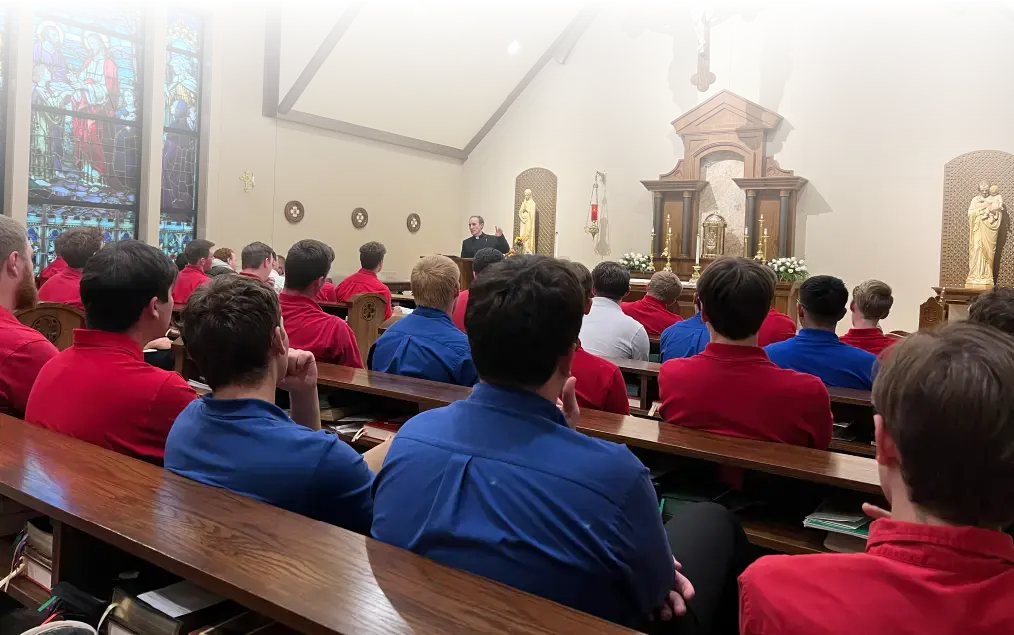

Human formation naturally leads to and finds its fulfillment in spiritual formation. The spiritual life of the seminary is directed toward deepening each man’s communion with God and fostering authentic fraternity with his brothers in Christ. Through prayer, the sacraments, and a spirit of docility to the Holy Spirit, seminarians grow in friendship with Jesus Christ. This intimate relationship with the Lord shapes the heart, cultivating the generous and sacrificial love that is the foundation of pastoral charity.
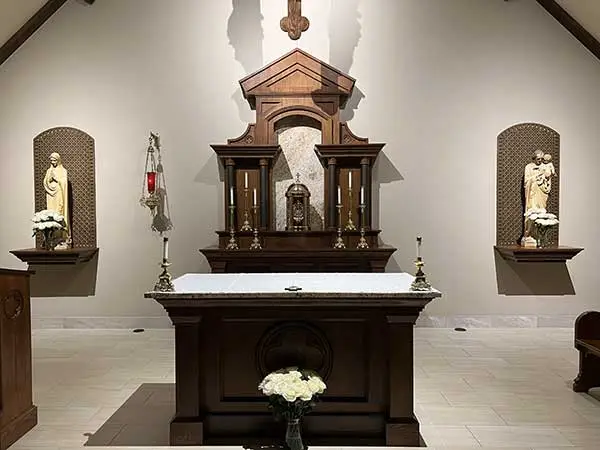
Prayer and Liturgy Seminarians participate in a rich life of prayer centered on the Eucharist and the Liturgy of the Hours. Daily Mass, Eucharistic Adoration, the communal praying of the Divine Office, faithful observance of the liturgical seasons, spiritual reading, and both communal and personal devotions are all integral components of spiritual formation. Through these practices, seminarians deepen their relationship with Christ and cultivate the habits of prayer that will sustain a lifetime of priestly ministry.
Spiritual Direction Individual spiritual direction helps seminarians become more attentive to God’s personal communication in their lives and to respond by deepening their relationship with Him. Each seminarian is assigned a priest spiritual director and meets with him every other week. These directors are priests of the Diocese of Wichita, chosen for their experience and proven ability to accompany men in discerning and growing in the spiritual life.
Weekends of Recollection and Retreats Throughout the year, seminarians participate in weekends of recollection designed to foster interior silence through the practice of exterior silence. During these times, a priest offers a series of conferences intended to support and deepen their prayer and meditation. In addition, juniors and seniors take part in a week-long silent retreat prior to the beginning of the spring semester.
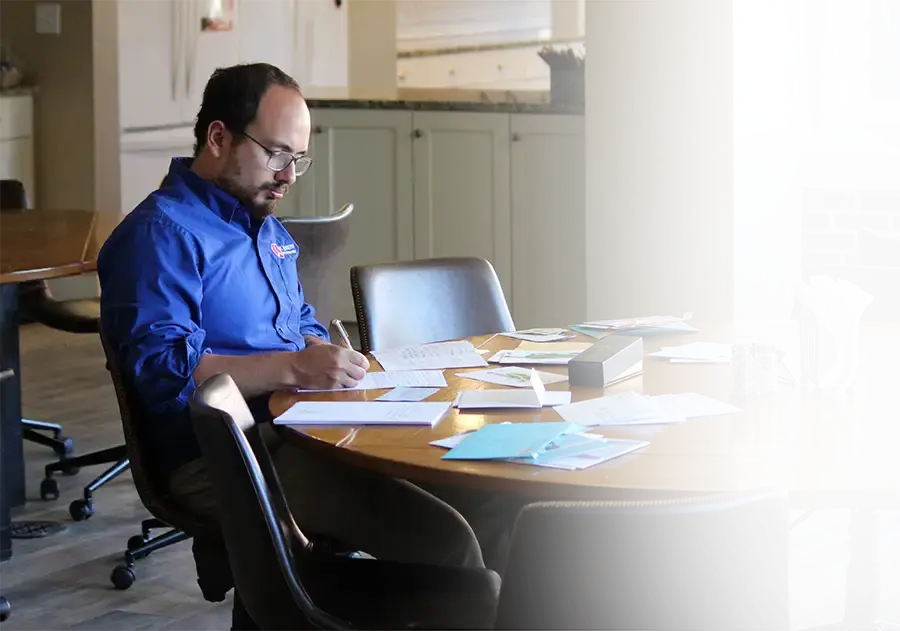
The fundamental principle of intellectual formation for seminarians is that, for the sake of the salvation of their brothers and sisters, they are called to seek an ever-deeper knowledge of the divine mysteries. A solid foundation in the liberal arts offers multiple benefits, including the development of sound critical thinking and communication skills, an introduction to the breadth of human learning, and, in a particular way, preparation for the study of theology..
Newman University Since its beginning as the House of Formation in 2017, St. Philip Neri Seminary has enjoyed a robust partnership with Newman University, where seminarians are enrolled and through which they earn their college degrees.
Philosophy At St. Philip Neri Seminary, seminarians pursue a Bachelor of Arts in Philosophy for Theological Studies. Their liberal arts education is enriched through an integrated sequence of Catholic Studies courses, along with other academic offerings that together provide a well-rounded intellectual formation.
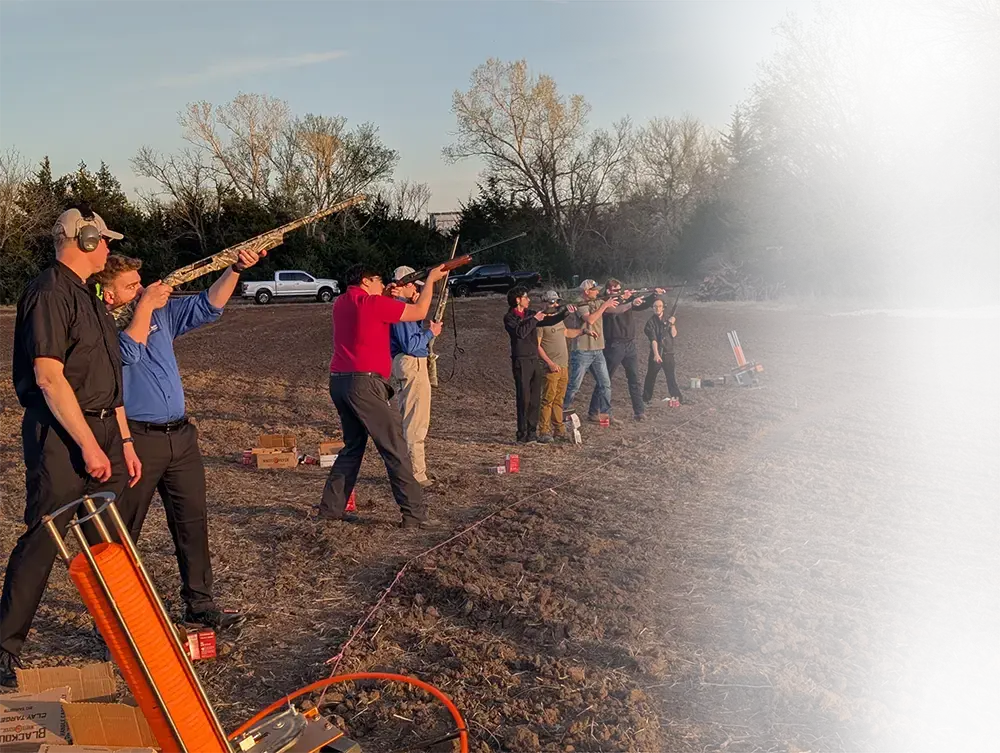
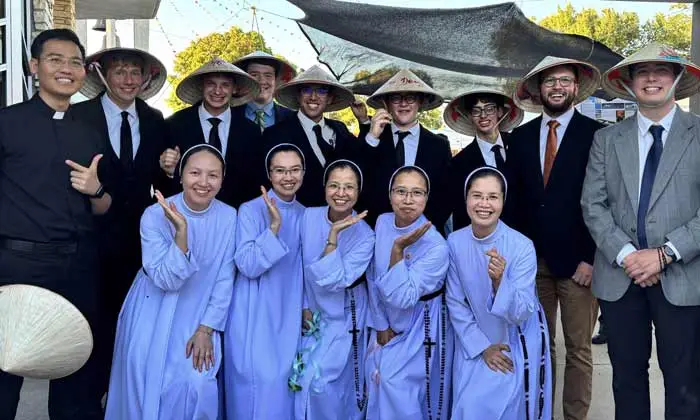
Pastoral formation is the culmination of the entire formation process. However, it involves more than the acquisition of practical skills. It signifies a level of personal maturity befitting a priest who acts in the person of Jesus Christ. Through pastoral formation, seminarians are given the opportunity to begin cultivating the qualities necessary for effective and faithful priestly ministry.
Apostolic Assignment At the beginning of each year, each seminarian is assigned an apostolic placement within the Diocese. Through this assignment, along with the responsibilities he carries within the house, he is given the opportunity to begin living out the pastoral charity to which he is called to dedicate his life.
Assignments include: